Dialysis Holiday Checklist: Documents and Essentials
A practical checklist for dialysis patients preparing to travel abroad: the medical documents, clinic confirmations, and items you should not leave home without.
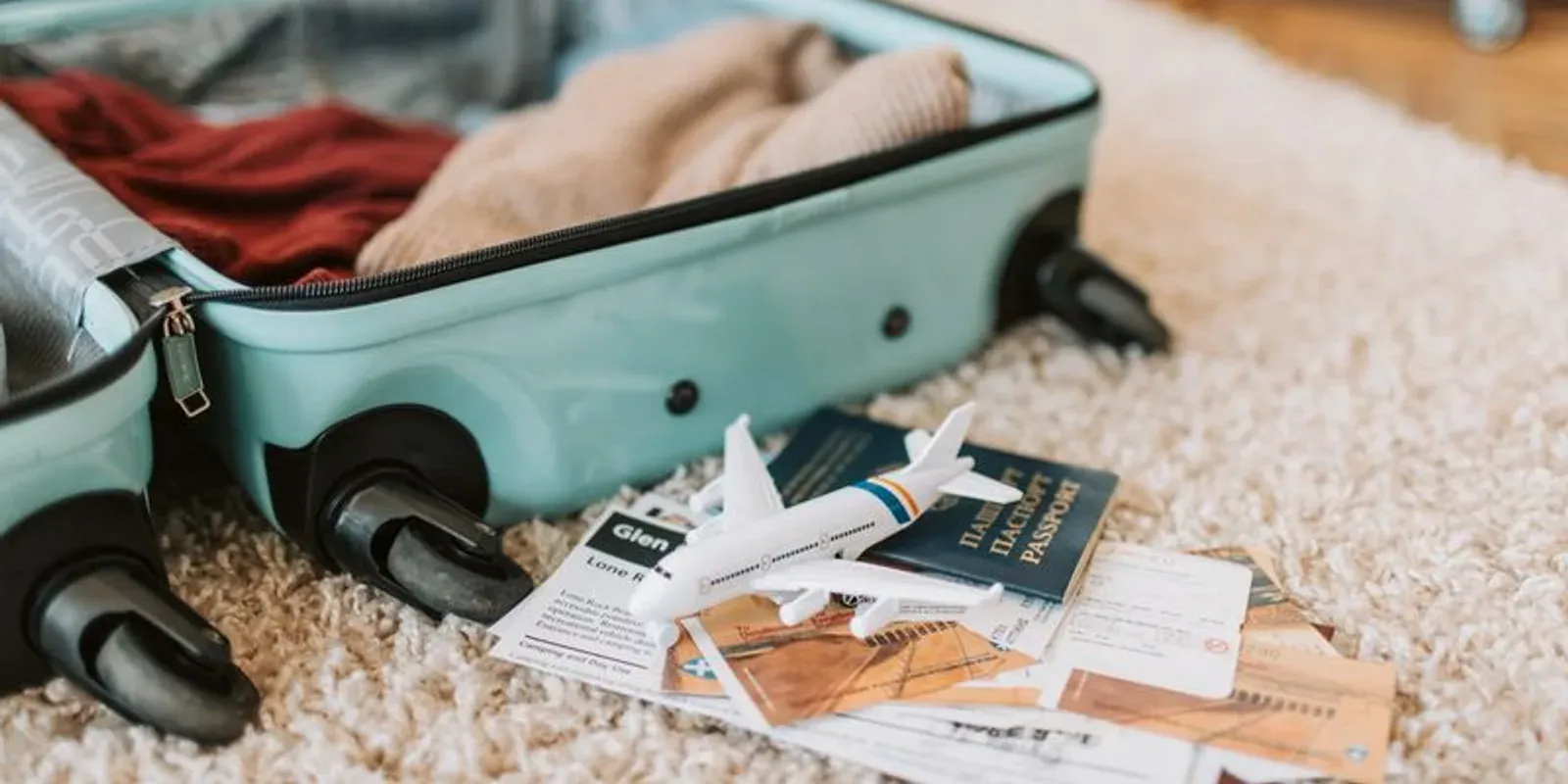
- Start Early
- Request documents from your renal unit at least four to six weeks before departure. Travel letters, blood results, and virology reports take time to prepare and may need to be countersigned.
- Two Sets
- Carry two printed copies of every document: one in your hand luggage, one in your checked bag or with a travel companion. Do not rely on digital copies as your only backup.
- Our Role
- Reni helps you find and contact clinics at your destination. Your booked clinic will tell you exactly what documentation they need. Request it from your renal unit once you have a confirmed booking.
Documents from your renal unit
Request these at least four to six weeks before your departure date. Some documents (particularly travel letters that need countersigning from a consultant) take longer than a week to prepare.
Travel letter from your dialysis unit. This is the core document. It should include:
- Your full name and date of birth
- Your diagnosis and how long you have been on dialysis
- Your current prescription: session frequency, duration, dialysate composition (if relevant), dry weight, and any session-specific instructions
- Your current vascular access type (AV fistula, tunnelled catheter, graft, including which arm/side)
- Relevant recent clinical history (e.g. recent infections, known sensitivities, medication changes)
- Contact details for your unit (phone, email, or fax) so the destination clinic can reach your team if needed
Recent blood results. Include results from the past three to six months covering at minimum:
- Biochemistry: potassium, sodium, phosphate, calcium, bicarbonate, urea, creatinine
- Full blood count (FBC)
- Parathyroid hormone (PTH) if available; some clinics request it
Virology and serology results. These are not optional. Clinics need these to allocate equipment correctly:
- Hepatitis B surface antigen (HBsAg)
- Hepatitis C antibody (anti-HCV)
- HIV antibody (anti-HIV)
Results are usually valid for twelve months, but confirm the accepted window with your destination clinic.
Medication list. A printed list of all current medications with generic drug names (not just brand names), doses, and timing. Include any supplements (phosphate binders, erythropoiesis-stimulating agents, iron) and anything taken as needed.
Clinic confirmation documents
Once you have a confirmed booking at your destination clinic, add these to your document pack:
- Written confirmation of your sessions: clinic name, address, phone number, and your confirmed session dates and times.
- The name of a contact person at the clinic: someone you can call if there is a problem on the day.
- Transport details: how you are getting to the clinic, especially if you are not renting a car or if the clinic is not within walking distance of your accommodation.
For peritoneal dialysis patients
If you are on peritoneal dialysis (CAPD or APD), your documentation needs are similar but your logistical needs are different. In addition to the above:
- Arrange supply delivery to your accommodation. Your home dialysis supply company may ship supplies to your destination. Confirm this well in advance and verify the exact delivery address and timing with your accommodation.
- Carry enough supplies for extra days. Flight delays, delivery issues, and customs delays happen. Carry at least a few extra days of supplies as a buffer.
- Check airline baggage rules for medical equipment. APD machines and supply bags may need to be flagged with the airline in advance. Get a supporting letter from your unit.
Essential items to carry
Beyond documents:
- Identification: passport plus a copy kept separately.
- European Health Insurance Card (EHIC) or Global Health Insurance Card (GHIC) if applicable: reduces costs in some European countries, though it does not replace travel insurance.
- Travel insurance documents: policy number, insurer's 24-hour emergency line.
- Your renal unit's contact details: direct phone number and out-of-hours number, separate from your main document pack.
- Emergency contact details: name and number of someone at home who knows your itinerary.

When to start preparing
| Task | Minimum lead time |
|---|---|
| Identify and contact destination clinic | 6–8 weeks before travel |
| Request travel letter from renal unit | 4–6 weeks before travel |
| Request blood results and virology report | 4 weeks before travel |
| Confirm session dates with destination clinic | 4 weeks before travel |
| Arrange supply delivery (PD patients) | 6–8 weeks before travel |
| Buy and confirm travel insurance | Before you book anything else |
What Reni can help with
We list dialysis centres across European destinations so you can find and contact clinics before you travel. Once you have a confirmed booking, the clinic will tell you precisely what they need from you. Use that list to request documents from your renal unit.
We do not book sessions, provide medical advice, or verify clinic practices. For clinical advice on what is safe for your individual situation, speak with your nephrologist or dialysis nurse.
Frequently asked questions
What letter do I need from my renal unit?
A travel letter from your renal unit should include your diagnosis, current dialysis prescription (frequency, duration, modality, dialysate composition), dry weight, current vascular access type, and a brief clinical summary. Ask your dialysis nurse or nephrologist for this. Most units have a standard travel letter template. Give them at least four weeks' notice.
What blood test results should I bring?
Most destination clinics ask for recent biochemistry (at least potassium, phosphate, calcium, and bicarbonate), a full blood count, and virology results (Hepatitis B surface antigen, Hepatitis C antibody, and HIV status). Results from the past three to six months are usually accepted. Some centres have stricter requirements, so confirm with your booked clinic when you arrange your sessions.
Should I bring a copy of my prescription and medication list?
Yes. Bring a printed medication list with drug names (generic, not just brand names), doses, and frequency. If you take any controlled drugs, you may also need a letter from your GP confirming you are authorised to carry them. Check the import rules for controlled substances in your destination country before you travel.
What if I lose my documents while abroad?
If you lose documents abroad, contact your renal unit at home. Most can re-send digital versions by email for you to print locally. This is one reason to note your renal unit's contact details and out-of-hours number separately, not just in the documents themselves. Also photograph or scan everything before you leave.
Do all destination clinics require the same documents?
No. Requirements vary by country and by clinic. The standard set (travel letter, blood results, virology, medication list) covers most situations, but some centres ask for additional documentation: a recent echocardiogram report, a chest X-ray, or a more detailed clinical summary. Confirm the specific requirements with your booked clinic when you arrange your sessions.
Ready to plan your dialysis trip?
Browse centres by country and city, then send an inquiry. We forward it only with your consent. No booking, no fee, no medical advice.